Designing Your Dream Bathroom: 10 Key Considerations for Function and Style
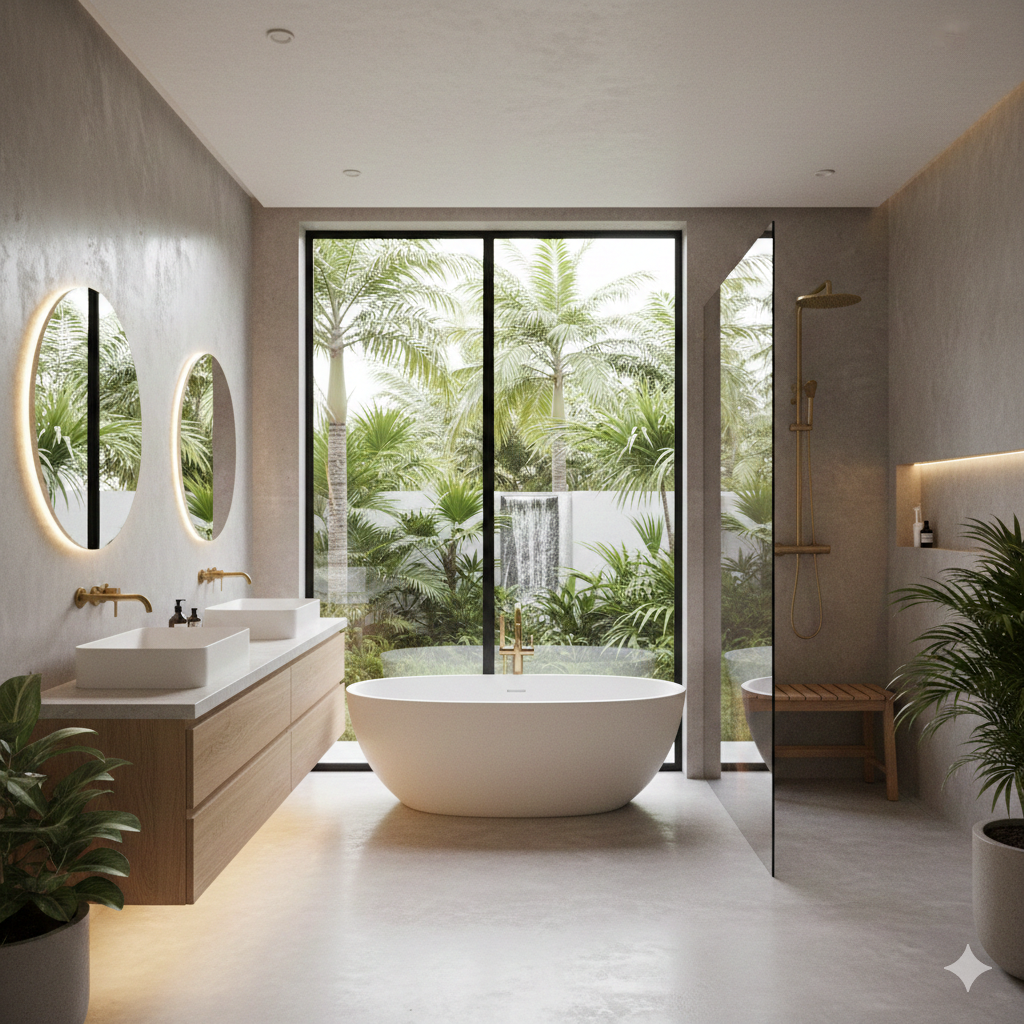
🧠 Quick Summary
A well-designed bathroom is more than just a functional space—it’s a sanctuary where style meets practicality. Whether you’re planning a complete renovation or building a new home, thoughtful bathroom design can enhance comfort, efficiency, and even your property’s resale value. Here are the top 10 considerations when designing your bathroom.
A well-designed bathroom is more than just a functional space—it’s a sanctuary where style meets practicality. Whether you’re planning a complete renovation or building a new home, thoughtful bathroom design can enhance comfort, efficiency, and even your property’s resale value. Here are the top 10 considerations when designing your bathroom.
1. Plan the Perfect Layout
Efficient bathroom layout ensures smooth movement and maximizes space. Consider the placement of key fixtures—toilet, shower, bathtub, and sink—to avoid cramped spaces. Designating wet and dry zones helps prevent water damage and keeps the space organized.
2. Prioritize Plumbing and Ventilation
Strategically plan plumbing lines to reduce installation costs and avoid future maintenance issues. Proper ventilation is crucial to prevent mold, mildew, and unpleasant odors. A well-ventilated bathroom promotes hygiene and protects finishes.
3. Optimize Lighting
Good bathroom lighting enhances both function and ambiance. Use task lighting around mirrors for grooming, ambient lighting for overall illumination, and optional accent lighting to highlight design features like shower niches or backlit mirrors.
4. Maximize Storage
Smart bathroom storage solutions keep your space tidy. Consider vanities with drawers, wall-mounted cabinets, and built-in shower niches. Balance open and closed storage to combine aesthetics with practicality.
5. Choose Fixtures and Fittings Wisely
Select toilets, sinks, showers, and bathtubs that match your style and size requirements. Consider water-efficient fixtures to save on utility bills. Glass shower doors create a modern look, while curtains are a budget-friendly alternative.
6. Select Durable Materials and Finishes
Opt for waterproof and durable materials that withstand humidity. Non-slip tiles are essential for floors, while moisture-resistant paints and wall panels protect walls. Choose durable countertops like quartz or granite for longevity. Proper waterproofing around wet areas prevents leaks and costly repairs.
7. Focus on Style and Aesthetics
Create a cohesive look with a consistent color scheme, fixtures, and hardware. Light tones make smaller bathrooms feel more spacious, while dark shades add luxury. Strive for a timeless design to maintain appeal over the years.
8. Ensure Accessibility and Safety
Incorporate grab bars, handrails, and walk-in showers for safer, more accessible bathrooms. Non-slip flooring and low-threshold showers prevent accidents while maintaining a modern design.
9. Add Comfort and Technology
Enhance your bathroom experience with heated floors, towel warmers, and smart controls. Modern features like automated lighting, temperature controls, and waterproof speakers add convenience and luxury.
10. Consider Budget and Maintenance
Balance cost, durability, and maintenance when choosing materials and fixtures. Select options that are easy to clean, like large-format tiles, wall-mounted fixtures, and simple finishes. Investing in quality ensures your bathroom remains stylish and functional for years.
Conclusion
Designing your bathroom requires careful planning, from layout and lighting to storage and finishes. By considering both function and aesthetics, you can create a space that’s practical, safe, and luxurious—a bathroom you’ll love for years to come.