Essential Things to Consider When Decorating Your House Interior
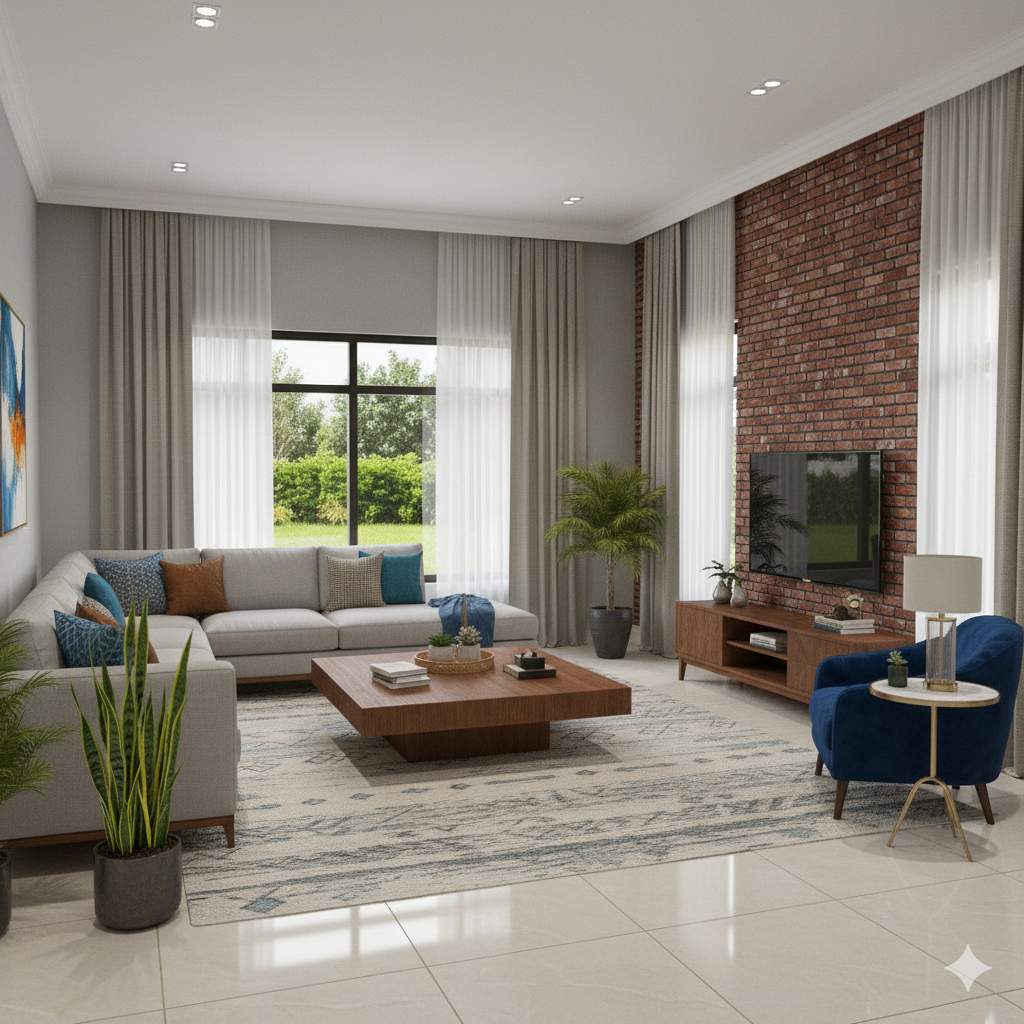
🧠 Quick Summary
Decorating your house interior is one of the most exciting parts of owning a home. It allows you to express your personality, improve comfort, and increase the overall value of your property. However, successful interior decoration is not just about buying attractive furniture or choosing trendy colors — it requires careful planning, balance, and purpose.
Decorating your house interior is one of the most exciting parts of owning a home. It allows you to express your personality, improve comfort, and increase the overall value of your property. However, successful interior decoration is not just about buying attractive furniture or choosing trendy colors — it requires careful planning, balance, and purpose.
Whether you are setting up a new home or renovating an existing one, this guide highlights the essential things to consider when decorating your house interior to achieve beauty, functionality, and long-term satisfaction.
1. Define the Purpose of Each Space
Before choosing colors, furniture, or décor, clearly identify how each room will be used.
Ask yourself:
Is this room for relaxation, work, entertainment, or family time?
Who will use it — adults, children, guests, or clients?
How often will it be used?
Your answers will determine furniture type, layout, lighting needs, and even fabric choices. A living room, for example, requires comfort and openness, while a home office needs focus, lighting, and storage.
2. Choose the Right Color Scheme
Color plays a powerful role in interior decoration. It affects mood, lighting, and how large or small a space feels.
Light colors make rooms appear bigger and brighter.
Warm colors create a cozy and inviting feeling.
Cool colors promote calmness and relaxation.
Choose a consistent color palette throughout your home for visual harmony, while allowing each room to have its own character.
3. Focus on Furniture Size, Comfort, and Quality
Furniture should match the scale of the room and support everyday living.
Consider:
Accurate measurements before purchasing.
Comfort and durability.
Easy movement and spacing.
Avoid overcrowding your rooms. Well-arranged furniture improves beauty, airflow, and safety.
4. Prioritize Lighting Design
Lighting can completely transform an interior space. A well-designed home uses a combination of lighting types:
Natural lighting: windows, glass doors, sheer curtains
Ambient lighting: ceiling fixtures
Task lighting: reading lamps, kitchen lights
Accent lighting: wall lights, spotlights, decorative lamps
Good lighting enhances décor, supports productivity, and improves emotional well-being.
5. Plan Your Space and Layout Carefully
Good interior decoration depends heavily on space planning.
Think about:
Easy movement paths.
Furniture placement.
Storage accessibility.
Proper space planning improves comfort, organization, and the overall flow of the house.
6. Invest in Good Flooring and Wall Treatments
Your floors and walls are the foundation of your interior design.
Choose materials that are:
Durable for high-traffic areas.
Easy to maintain.
Visually consistent with your theme.
Options include tiles, wood, vinyl, carpets, paint finishes, wallpapers, and feature walls.
7. Add Storage and Organization Solutions
No matter how beautiful a home is, clutter can ruin its appearance.
Include:
Built-in cabinets and shelves.
Multi-functional furniture.
Hidden storage systems.
A well-organized home feels bigger, calmer, and more luxurious.
8. Reflect Your Personal Style
Your home should tell your story.
Incorporate:
Artwork and photographs.
Cultural or traditional elements.
Decorative accessories and souvenirs.
Trends change, but personal identity creates timeless beauty.
9. Mix Textures, Materials, and Accessories
A beautiful interior combines different textures and materials to create depth and interest.
Blend:
Soft elements (curtains, rugs, cushions)
Hard surfaces (wood, metal, stone, glass)
Accessories such as plants, mirrors, throw pillows, and artworks bring warmth and elegance to your space.
10. Set a Realistic Budget and Plan for the Future
Always work with a clear budget and long-term vision.
Spend more on:
Sofa sets and beds
Lighting systems
Flooring and built-ins
Save on:
Accessories and decorative items
Balance beauty with durability, maintenance, and future upgrades.
Conclusion
Decorating your house interior is a journey that combines creativity with strategy. When done properly, it improves comfort, boosts property value, and enhances everyday living.
The key essentials to remember are: purpose, color, lighting, furniture, space planning, storage, personal style, materials, and budget control.
By carefully considering these factors, you can create a home that is not only beautiful but functional, organized, and truly yours.