How NIOB Is Preventing Building Collapses in Nigeria
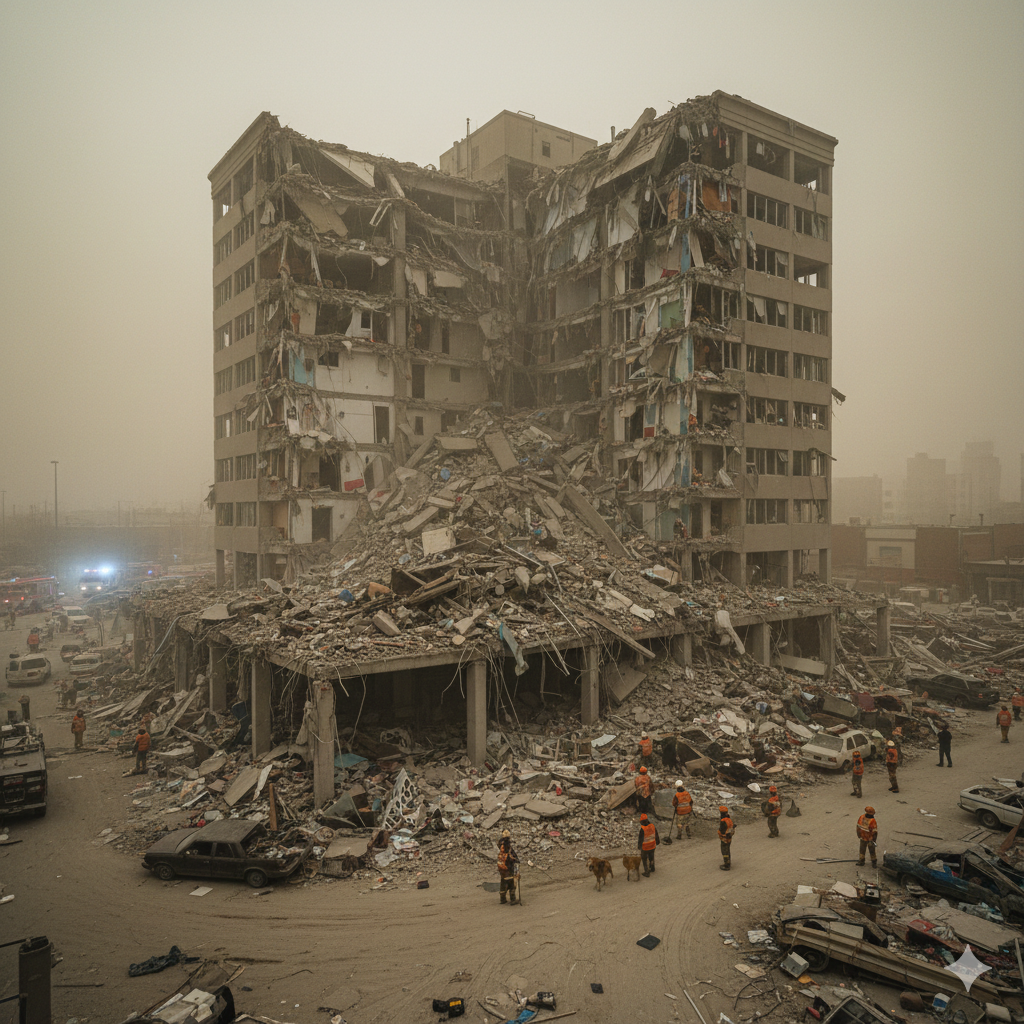
🧠 Quick Summary
The Nigerian Institute of Building (NIOB) plays a pivotal role in curbing building collapses in Nigeria. Through regulation, professional advocacy, technical enforcement, and public awareness, NIOB ensures safer construction practices nationwide. Here’s a detailed look at NIOB’s interventions:1.
The Nigerian Institute of Building (NIOB) plays a pivotal role in curbing building collapses in Nigeria. Through regulation, professional advocacy, technical enforcement, and public awareness, NIOB ensures safer construction practices nationwide.
Here’s a detailed look at NIOB’s interventions:
1. Professional Regulation and Standardization
a. Promoting Professional Practice:
NIOB ensures that only qualified and registered builders (via CORBON) are involved in every stage of construction from design, supervision, and material selection to execution.
b. Setting Standards:
The institute develops and enforces codes of professional conduct and construction standards to ensure safety, structural stability, and quality control.
c. Certification and Training:
Through professional exams, workshops, and certifications, NIOB equips builders with up-to-date knowledge in modern construction technology and safety practices.
2. Advocacy for Regulatory Enforcement
a. Collaboration with CORBON and State Agencies
NIOB works closely with the Council of Registered Builders of Nigeria (CORBON) and state planning/building control agencies to ensure compliance with building codes.
b. Promoting Use of Registered Professionals
The institute campaigns for governments and developers to engage only registered builders, tackling quackery a major cause of collapses.
c. Policy Advocacy
NIOB advises federal and state governments on construction regulations, law enforcement, and code updates to improve safety standards.
3. Monitoring, Investigation, and Reporting
a. Technical Investigation of Collapses
When collapses occur, NIOB sends technical teams to assess structural failures and professional negligence.
Example: After the 2021 Ikoyi building collapse in Lagos, NIOB’s report highlighted the absence of a registered builder on the project.
The institute also partners with Lagos State Building Control Agency (LASBCA) to monitor ongoing construction sites.
b. Recommendations
Reports and technical recommendations focus on quality materials, proper supervision, and regulatory enforcement to prevent recurrence.
4. Public Awareness and Education
a. Media Sensitization
NIOB holds press briefings, seminars, and conferences to educate the public on the risks of unqualified builders and substandard materials.
b. Public Enlightenment Campaigns
State chapters organize programs like “Stop Building Collapse Campaign†and “Builders’ Week†to promote safe construction practices.
c. Education Partnerships
The institute collaborates with universities and polytechnics to align academic training in building and construction management with real-world safety standards.
5. Capacity Building and Continuous Professional Development (CPD)
NIOB provides ongoing training for members in:
- Site safety management
- Quality control and assurance
- Risk assessment and mitigation
- New construction technologies
- Environmental sustainability and disaster resilience
This ensures builders continuously improve their skills, reducing errors that could lead to structural failure.
6. Disciplinary and Ethical Enforcement
Through its Ethics and Disciplinary Committee, NIOB:
- Investigates professional misconduct and negligence
- Sanctions members (suspension or deregistration)
- Supports prosecution of unregistered practitioners (quacks)
This enforces accountability and deters unsafe building practices.
7. Collaboration and Partnerships
NIOB works with several organizations to strengthen the construction industry:
- Federal Ministry of Works & Housing
- Standard Organisation of Nigeria (SON) — enforces material standards
- Nigerian Society of Engineers (NSE), ARCON, CORBON — for multidisciplinary oversight
- State governments — Lagos, Kwara, Abuja, and others collaborate on site monitoring
8. Key Achievements and Initiatives
Builders’ Day Campaign (March 13): Focuses on safe building practices and quackery awareness
Training artisans and craftsmen: Enhances skills to reduce substandard workmanship
Builders’ Site Management Logbooks: Tracks accountability on construction sites
Advocacy for Site Supervision: Pushing policies to make professional supervision mandatory
9. Summary of NIOB’s Roles
Role Area:
- NIOB’s Contribution
- Professional Standards
- Enforces use of registered builders
- Advocacy
- Promotes building code compliance
- Monitoring
- Investigates building collapse incidents
- Training
- Provides continuous education for members
- Public Awareness
- Sensitization campaigns nationwide
- Collaboration
- Works with CORBON, SON, LASBCA, etc.
- Discipline
- Sanctions erring professionals
In short: NIOB is a cornerstone of safe, sustainable, and professional building practices in Nigeria. Its regulatory, advocacy, and training initiatives are vital in reducing building collapses and ensuring quality construction nationwide.