In Case of Emergency: What Should You Do?
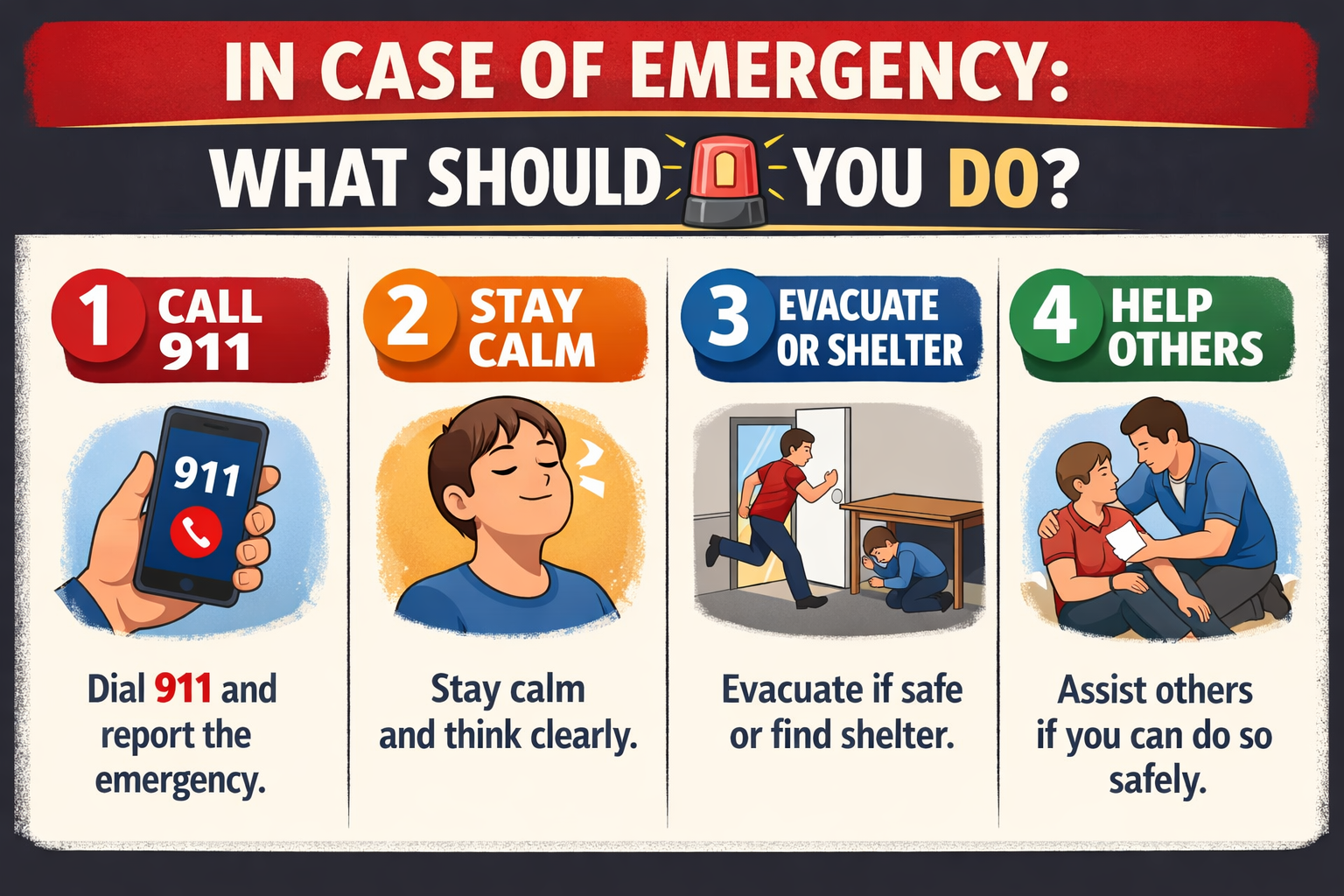
🧠 Quick Summary
Emergencies can happen at any time — in your home, workplace, construction site, or community. From medical crises and fires to accidents and security threats, knowing what to do in the first few minutes can mean the difference between life and death. Whether you’re a homeowner, tenant, property manager, or real estate professional, this guide explains the critical steps to take in an emergency and how to protect yourself and others until help arrives.
Emergencies can happen at any time — in your home, workplace, construction site, or community. From medical crises and fires to accidents and security threats, knowing what to do in the first few minutes can mean the difference between life and death.
Whether you’re a homeowner, tenant, property manager, or real estate professional, this guide explains the critical steps to take in an emergency and how to protect yourself and others until help arrives.
1. Stay Calm and Think Clearly
Panic is natural, but it can cloud judgment. The first thing to do in any emergency is to pause and breathe. Staying calm helps you:
Assess the situation correctly
Avoid making dangerous mistakes
Communicate clearly with emergency responders
A calm mind saves valuable time.
2. Call Emergency Services Immediately
As soon as you confirm there is an emergency, call for professional help.
In Nigeria, dial:
112 or 199 (National emergency numbers)
When speaking to the operator, clearly state:
Who you are
What has happened
Your exact location or nearest landmark
How many people are involved
Your phone number
Do not end the call unless instructed to do so.
3. Assess the Environment for Danger
Before helping anyone, check if the area is safe.
Look out for:
Fire, smoke, or gas leaks
Falling objects or unstable structures
Live electrical wires
Violent or hostile situations
If the location is unsafe, move to a safer place immediately and guide others if possible.
4. Give First Aid (Only If You Are Able)
If the scene is safe and you have basic knowledge, provide first aid while waiting for professionals.
Examples include:
Applying firm pressure to stop bleeding
Checking if the person is breathing
Keeping injured persons still and warm
Starting CPR only if you are trained
Never attempt complex medical procedures you are not trained to perform.
5. Protect Yourself First
Your safety comes first. You cannot help others if you also become a victim.
Avoid:
Entering burning buildings
Touching electrical hazards
Moving badly injured persons unnecessarily
Exposure to toxic substances
A safe rescuer is an effective rescuer.
6. Alert Others and Get Support
If possible:
Shout for help
Ask someone nearby to call emergency services
Assign someone to guide responders to the location
Community response saves time and lives.
7. Support and Reassure Victims
While waiting for help:
Speak calmly and confidently
Encourage the person to remain still
Cover them to prevent shock
Keep curious crowds away
Emotional support is a powerful emergency response tool.
8. Wait for Emergency Professionals
Stay at the scene if it is safe.
Follow instructions from emergency operators and responders.
Provide any useful information when help arrives.
Emergency Action Checklist
Remember these five priorities:
Stay calm
Call for help
Check for danger
Help if safe
Wait for professionals
Emergencies This Guide Applies To
Severe injuries and accidents
Heart attack or stroke symptoms
Fires and gas leaks
Building or construction incidents
Home and workplace accidents
Road traffic crashes
Natural disasters
Security and violent threats
Why Emergency Preparedness Matters in Homes and Buildings
Most emergencies happen in familiar places — homes, offices, estates, and construction sites. Having emergency knowledge, visible safety numbers, first-aid kits, fire extinguishers, and evacuation plans is a key part of responsible property ownership and management.
At Housekia, home safety awareness is essential to building secure, livable, and sustainable environments.
Final Thoughts
You don’t need to be a professional rescuer to save a life. Knowing what to do, who to call, and how to stay safe is often enough to prevent tragedy.
Make emergency preparedness part of your daily lifestyle — because emergencies don’t give warnings.