Reasons for Frequent Building Collapse in Nigeria
🧠 Quick Summary
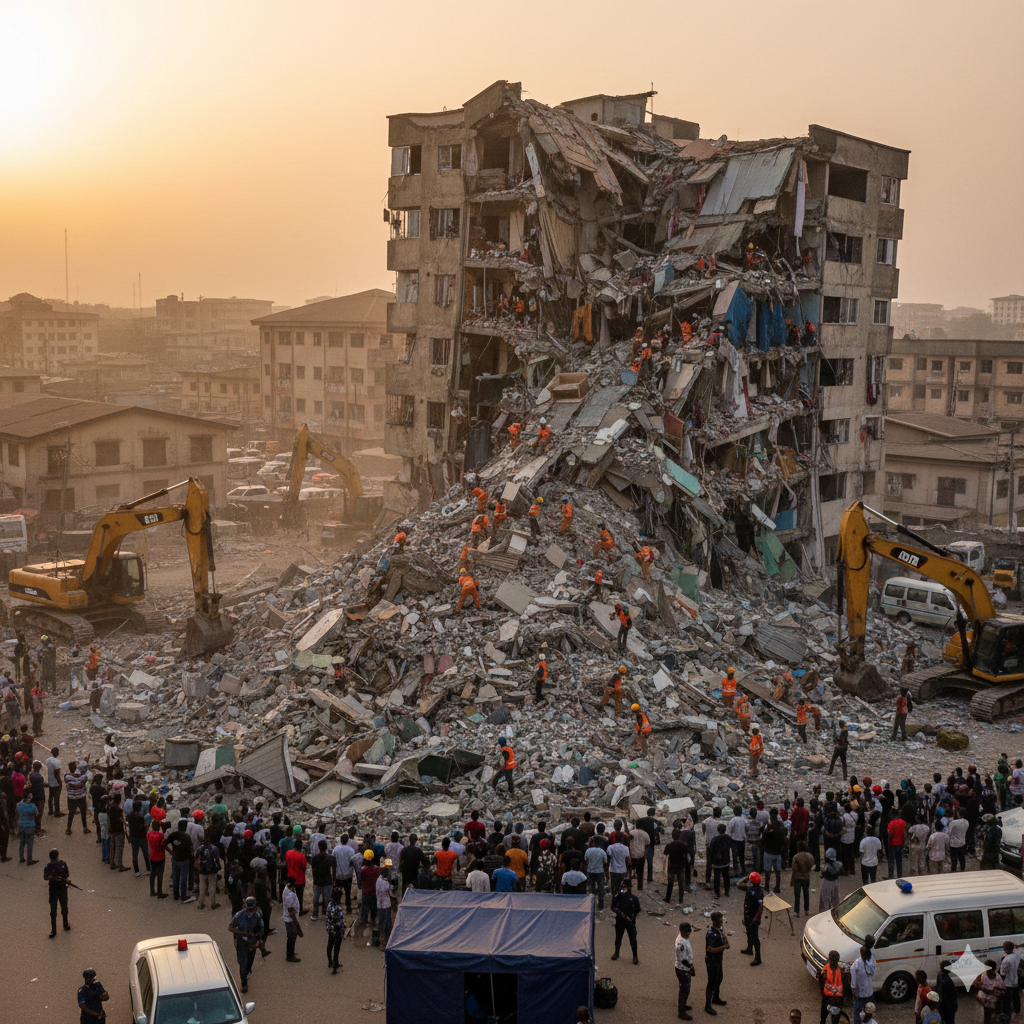
Building collapse has become a recurring and tragic problem in Nigeria. From residential houses to schools, churches, and commercial buildings, structural failures have led to the loss of lives, destruction of property, and erosion of public confidence in the construction industry. What makes the situation more painful is that most of these collapses are largely preventable.
Building collapse has become a recurring and tragic problem in Nigeria. From residential houses to schools, churches, and commercial buildings, structural failures have led to the loss of lives, destruction of property, and erosion of public confidence in the construction industry. What makes the situation more painful is that most of these collapses are largely preventable.
This article examines the major reasons buildings collapse in Nigeria and highlights the systemic issues behind these disasters.
1. Poor Planning and Faulty Structural Design
One of the leading causes of building collapse in Nigeria is defective architectural and structural design. Many projects begin without proper feasibility studies or professional input.
Common problems include:
Absence of geotechnical (soil) investigation
Wrong foundation type for the soil condition
Poor load calculations
Inadequate structural detailing
When soil tests are ignored, foundations may be laid on weak or unstable ground, making buildings highly vulnerable to failure.
2. Use of Substandard and Inferior Building Materials
The widespread use of low-quality construction materials significantly weakens buildings. These include:
Fake or diluted cement
Undersized or corroded reinforcement bars
Poor-quality sandcrete blocks
Contaminated sand and aggregates
To cut costs and maximize profit, some developers use inferior materials that cannot withstand structural loads or environmental stress.
3. Incompetent Contractors and Unqualified Personnel
Many construction sites are handled by people without the necessary training, certification, or experience. Instead of engaging registered professionals such as architects, engineers, and builders, some developers rely on:
Quacks and untrained artisans
Poorly supervised labour
Contractors who ignore specifications
This results in poor workmanship, wrong construction methods, and dangerous shortcuts.
4. Weak Regulatory Framework and Poor Enforcement
Nigeria has building regulations and development control agencies, but enforcement is often weak. Problems include:
Approval of unsafe building plans
Lack of routine site inspections
Bribery and corruption
Failure to sanction defaulters
This allows developers to bypass safety standards, exceed approved building heights, and continue construction even when defects are identified.
5. Unauthorized Alterations and Overloading
Many collapsed buildings were originally safe but became dangerous due to unapproved modifications, such as:
Adding extra floors
Converting residential buildings to commercial use
Removing load-bearing walls
Installing heavy equipment without structural assessment
These changes overload structural elements beyond what they were designed to carry.
6. Poor Maintenance Culture
Buildings require continuous inspection and maintenance. However, in Nigeria, maintenance is often neglected. Over time:
Cracks widen
Steel reinforcements rust
Water weakens foundations
Structural members deteriorate
Without timely repairs, small defects eventually lead to major structural failures.
7. Environmental and Site-Related Factors
Environmental conditions worsen existing structural weaknesses. These include:
Heavy rainfall and flooding
Soil erosion
Poor drainage systems
Construction on swampy or reclaimed land without proper engineering solutions
Environmental factors alone may not cause collapse, but when combined with poor construction practices, they greatly increase risk.
Conclusion
Building collapse in Nigeria is not an act of fate; it is largely the result of human negligence, greed, regulatory failure, and technical incompetence. Addressing this crisis requires:
Strict enforcement of building codes
Engagement of certified professionals
Public awareness on building safety
Severe punishment for regulatory and professional misconduct
Routine inspection and maintenance of existing structures
Only through coordinated efforts by government, professionals, developers, and the public can Nigeria put an end to the tragic pattern of building collapses.