What to Consider When Planning a Beautiful Garden Around Your House
🧠 Quick Summary
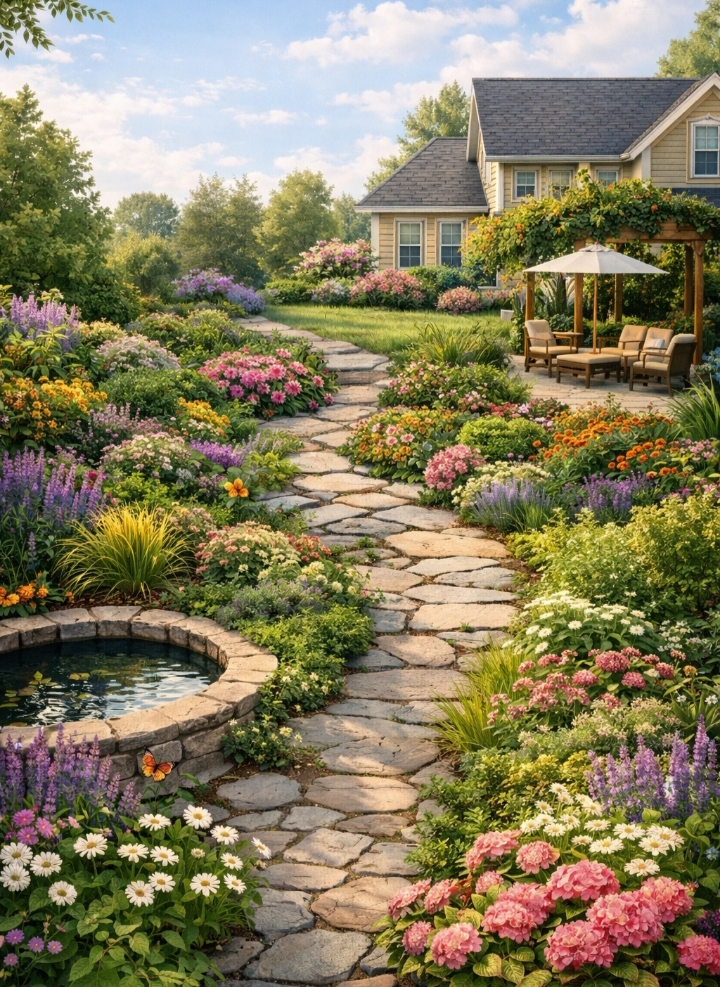
What to Consider When Planning a Beautiful Garden Around Your HouseA well-designed garden does more than beautify your home — it increases property value, improves air quality, enhances comfort, and creates a peaceful outdoor living space. Whether you’re building a new home or upgrading your surroundings, careful garden planning is the foundation of a truly beautiful landscape. In this guide, we’ll explore the most important things to consider when planning a beautiful garden around your house, especially in tropical environments like Nigeria.
What to Consider When Planning a Beautiful Garden Around Your House
A well-designed garden does more than beautify your home — it increases property value, improves air quality, enhances comfort, and creates a peaceful outdoor living space. Whether you’re building a new home or upgrading your surroundings, careful garden planning is the foundation of a truly beautiful landscape.
In this guide, we’ll explore the most important things to consider when planning a beautiful garden around your house, especially in tropical environments like Nigeria.
🌞 1. Understand Your Environment and Climate
Before choosing plants or designing layouts, study your environment.
Key factors to assess include:
Sunlight exposure (full sun, partial shade, or full shade)
Soil type (sandy, clay, or loamy soil)
Rainfall and drainage patterns
Local climate conditions
In Nigeria’s tropical climate, selecting heat-tolerant and moisture-balanced plants is essential. Poor drainage or unsuitable plants are major reasons gardens
📠2. Plan Your Garden Layout and Structure
A beautiful garden starts with a smart layout.
Your design should define spaces such as:
Flower beds
Lawns and open spaces
Walkways and driveways
Sitting or relaxation areas
Vegetable or herb sections
Balance open areas with greenery. Avoid overcrowding. Think about how people will move through the space and how the garden will look from inside your home.
A simple sketch or digital garden plan can save time, money, and future redesign costs.
🌸 3. Choose the Right Plants
Plant selection determines the success of your garden.
When choosing plants, consider:
Compatibility with your climate
Growth size and root behavior
Maintenance requirements
Purpose (beauty, shade, privacy, or food)
For a stunning result, combine:
Flowering plants for color
Evergreen plants for year-round beauty
Trees and shrubs for structure and shade
Ground covers to reduce weeds and erosion
Native and adaptive plants perform better and require less maintenance.
💧 4. Water and Irrigation Planning
Water is life for any garden.
Ensure you plan for:
A reliable water source
Efficient irrigation systems (drip or sprinkler)
Grouping plants with similar water needs
Rainwater harvesting where possible
Over-watering and poor drainage can destroy even the best designs. Good irrigation planning protects your investment.
🧱 5. Add Hardscape Elements
Hardscaping brings character and function to your garden.
Examples include:
Walkways and stepping stones
Fences and borders
Pergolas and patios
Raised beds and planters
Decorative rocks and garden edges
These features improve accessibility, durability, and overall visual appeal.
🌱 6. Improve Soil Quality
Healthy soil equals a healthy garden.
Enhance your soil by adding:
Organic compost
Well-decomposed animal manure
Mulch to retain moisture and suppress weeds
Good soil structure supports strong roots, vibrant leaves, and long-lasting beauty.
🔠7. Consider Safety, Privacy, and Property Protection
Your garden must also protect your home.
Avoid trees that can damage foundations
Keep walkways clear and well-lit
Use hedges, fences, or shrubs for privacy
Avoid thorny or toxic plants near entrances and play areas
A good garden design combines beauty with safety and functionality.
🧹 8. Plan for Maintenance and Sustainability
A beautiful garden should be easy to maintain.
Ask yourself:
How often can I water and prune?
Who will manage the garden long-term?
What is my maintenance budget?
Choose slow-growing plants, use mulch, and design wide access paths. Sustainability saves money and effort over time.
🎨 9. Reflect Your Personal Style
Your garden should match your personality and home design.
You can express style through:
Color themes
Plant height variations
Decorative lighting
Water features and sculptures
Outdoor furniture and relaxation spaces
A garden is an extension of your home — design it intentionally.
💰 10. Set a Budget and Use Professionals When Needed
Define your budget early.
You can develop your garden in phases if needed. For large projects, consulting a professional landscaper or horticulturist ensures proper planning, plant selection, and drainage design.
🌼 Final Thoughts
Planning a beautiful garden is not just about planting flowers. It’s about understanding your environment, designing functional spaces, choosing the right plants, and preparing for long-term care.
With the right planning, your garden can become a relaxing retreat, a property value booster, and a powerful first impression for your home.